ABC Educatation Consaltancy

Study In Greece

Study in Greece for Bangladeshi Students

Greece, the heart of Southeast Asia’s archipelago, is steadily rising as an appealing destination for Bangladeshi students seeking quality, affordable education in a culturally vibrant environment. With over 960 universities and a strategic vision to expand English-taught programs, Indonesia offers globally recognized degrees, extensive scholarships, and a welcoming multicultural society amid the world’s largest Muslim-majority population.

Why Study in Greece

Affordable, High-Quality Education

Tuition fees in Greece are relatively affordable compared to many Western European countries. For international (non-EU) students, tuition typically ranges from EUR 3,000 to EUR 8,000 per year, depending on the program and university. Leading institutions such as the National and Kapodistrian University of Athens, Aristotle University of Thessaloniki, and National Technical University of Athens are recognized for excellence in engineering, medicine, humanities, shipping, tourism, and business. English-taught undergraduate and postgraduate programs are steadily expanding, particularly in Athens and Thessaloniki, making Greece increasingly accessible to international students.


Rich Cultural Experience and Global Networking

Greece is known as the birthplace of Western civilization and democracy. Students experience a unique blend of ancient history and modern European lifestyle. From classical philosophy and archaeology to contemporary arts and Mediterranean traditions, Greece offers an immersive cultural environment.

As a member of the European Union, Greece provides strong networking opportunities within Europe. Students benefit from international collaborations, Erasmus exchange programs, and exposure to a multicultural academic community.


Affordable Living Costs

Compared to many other European countries, living expenses in Greece are moderate. Monthly living costs (including accommodation, food, and transport) typically range between EUR 400- 800, depending on the city and lifestyle.

Student discounts are widely available for public transportation, cultural sites, and meals, helping students maintain a comfortable lifestyle at a reasonable budget.


Scholarship Opportunities

Several scholarship options are available for international students:

  • The Hellenic Foundation for Research and Innovation supports postgraduate and research programs.
  • The State Scholarships Foundation (IKY) offers scholarships for international students based on merit and bilateral agreements.
  • Many Greek universities also provide tuition discounts and merit-based awards.

Scholarship availability and eligibility criteria vary by program and nationality.


Biodiversity and Natural Wonders

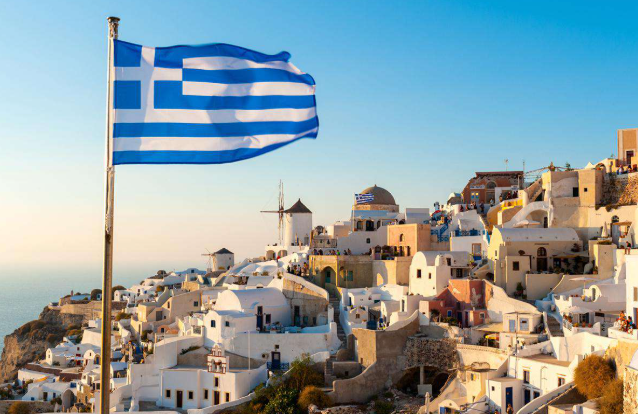
Greece offers breathtaking landscapes, including world-famous destinations such as Santorini, Crete, and the Acropolis of Athens.

Students can explore thousands of islands, mountains, and UNESCO World Heritage sites, making their academic journey both educational and adventurous.


Regional Gateway

Located at the crossroads of Europe, Asia, and Africa, Greece serves as a strategic hub for international trade, shipping, tourism, and cultural exchange. It is particularly ideal for students interested in maritime studies, European politics, archaeology, hospitality management, and international business.


Study Cost at Greece

Tuition Fees and Living Costs

Program TypeTuition Fees (EURO/year)
Bachelor’s3,000–8,000
Master’s/MS/MBA3,500–12,000
PhD2,000–6,000

Living Cost at Greece

Average monthly living costs range from USD 1,040 to USD 1,850, with accommodation being the largest expense (USD 650–1,105). Other costs include food (USD 195–390), miscellaneous expenses (USD 130–260), and transportation (USD 65–98), which is the smallest portion.

Admission Requirements for Greece

Undergraduate:

Applicants must have completed HSC, A-levels, or equivalent (12 years of schooling). A minimum GPA of 3.0 out of 5.0 (or 60% and above) is generally required. Proof of English proficiency is essential — IELTS (5.5+) or TOEFL (477+) — although many universities offer English-taught programs or accept medium-of-instruction (MOI) certificates. Supporting documents usually include a valid passport, academic transcripts, a statement of purpose, letters of recommendation, and a health clearance.


Master’s/PhD:

Applicants must hold a recognized Bachelor’s or Master’s degree in a related field. English language requirements are slightly higher — IELTS (6.0+) or TOEFL (500+). For PhD programs, a detailed research proposal is typically required.


Visa Requirements:

Students must apply for a VITAS (student visa) using an offer letter from an Indonesian university. Financial proof and health insurance documentation are mandatory. Upon arrival in Indonesia, students must convert their visa into a KITAS (temporary stay permit). Most universities assist international students through the visa and conversion process.

Language Requirements To Study in Greece

Undergraduate:

Applicants must have completed HSC, A-levels, or equivalent (12 years of schooling). A minimum GPA of 3.0 out of 5.0 (or 60% and above) is generally required. Proof of English proficiency is essential — IELTS (5.5+) or TOEFL (477+) — although many universities offer English-taught programs or accept medium-of-instruction (MOI) certificates. Supporting documents usually include a valid passport, academic transcripts, a statement of purpose, letters of recommendation, and a health clearance.


Master’s/PhD:

Applicants must hold a recognized Bachelor’s or Master’s degree in a related field. English language requirements are slightly higher — IELTS (6.0+) or TOEFL (500+). For PhD programs, a detailed research proposal is typically required.


Visa Requirements:

Students must apply for a VITAS (student visa) using an offer letter from an Indonesian university. Financial proof and health insurance documentation are mandatory. Upon arrival in Indonesia, students must convert their visa into a KITAS (temporary stay permit). Most universities assist international students through the visa and conversion process.

Visa Requirements To Study in Greece

To study in Greece for more than 90 days, international students must apply for a National Visa (Type D). This visa is the prerequisite for obtaining a residence permit once you arrive in the country.


Below are the detailed requirements for the 2025–2026 academic year.


Core Documentation:


Application Form: A fully completed and signed National Visa application form.

Valid Passport: Must be valid for at least three months after your intended return and issued within the last 10 years.

Photographs: Two recent passport-sized color photos (35mm x 45mm) on a white background, following ICAO standards.

Acceptance Letter: An official, unconditional letter of admission from a recognized Greek educational institution.

Academic Records: Certified and translated copies of your previous diplomas, transcripts, and certificates.


Financial Documentation:

You must demonstrate that you have sufficient funds to cover your living expenses without working.

Minimum Amount: Approximately €400 – €600 per month (roughly €4,800 – €7,200 per year).

Proof of Funds:

Bank statements for the last 3–6 months.

Scholarship award letters (if applicable).

Sponsorship affidavit from a parent or guardian, accompanied by their income tax returns and bank statements


Tuition Receipt: Proof of payment for at least 50% (or the full first year) of your tuition fees.

Health & Conduct

Medical Certificate: A signed and stamped certificate from a recognized doctor stating you do not suffer from any

contagious diseases (often requires a chest X-ray and TB test).

Health Insurance: Travel insurance valid for the duration of the visa with a minimum coverage of €30,000. Upon arrival, you will likely need to transition to a local private insurance plan (approx. €100–€150/year) for your residence permit.

Criminal Record Certificate: A clean background check issued by the authorities in your country of residence within the last six months.

Post-Arrival: Residence Permit

Once you enter Greece on your type D visa, you must apply for a Residence Permit for Study Purposes through the "Salama" or relevant digital platform.


Fee: Approximately €150 for the administrative fee.

Timeline: You should start this process within the first 30 days of arrival.

Important Timeline for 2025–2026

Main Intake (September): Apply for the visa between May and July 2025.

Processing Time: Generally 10–15 working days, though it can take up to 30 days during peak seasons.

In-Person Interview: You will be required to attend an interview at the Greek Embassy or Consulate in your home country.

Intakes In the Greece

Top Universities in Indonesia (QS World Rankings 2026)

UniversityQS 2026 World Rank
National Technical University of Athens355
National and Kapodistrian University of Athens390
Aristotle University of Thessaloniki485
University of Crete628
University of Patras721–730
Athens University of Economics and Business951–1000
University of Ioannina1001–1200

Post Study Work Oppertunities

Academic year:

Most universities in Greece follow an academic calendar that begins in September and ends in June.

  • Winter Semester: September – January
  • Spring Semester: February – June

Examination periods are usually held in January/February and June/July.


Major intakes:

  • Primary Intake: September/October (main intake for most undergraduate and postgraduate programs)
  • Secondary Intake: February (limited programs, mainly Master’s level and selected departments)

Most English-taught programs start in the September intake.


Deadlines:

Application deadlines generally fall 3–6 months before the program start date.

  • For September intake: Deadlines usually between April and July
  • For February intake: Deadlines usually fall between October and December

Deadlines vary by university, so students should always confirm directly with the institution.


Scholarship deadlines:

  • The State Scholarships Foundation (IKY) scholarship deadlines typically fall between March and May, depending on the program.
  • Some university-specific scholarships may open between April and July.
  • Erasmus+ mobility scholarships follow separate timelines coordinated by partner institutions.

Scholarship dates change yearly, so early monitoring is important.


Early application is key:

Applying well in advance increases your chances of securing scholarships, obtaining your visa on time, and securing preferred accommodation.

Partner Institutions in Greece

Universities

University Pathways

Private College / Higher Education

Are you prepared to soar and chase your dreams?

We work collaboratively with students to provide tailored solutions for their study abroad needs.

Book a Consultation